
Chicken Tikka Masala Ramen
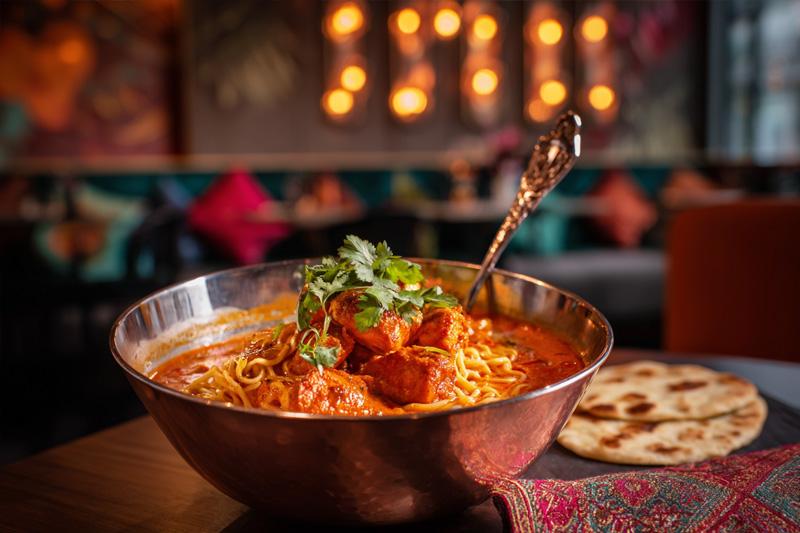
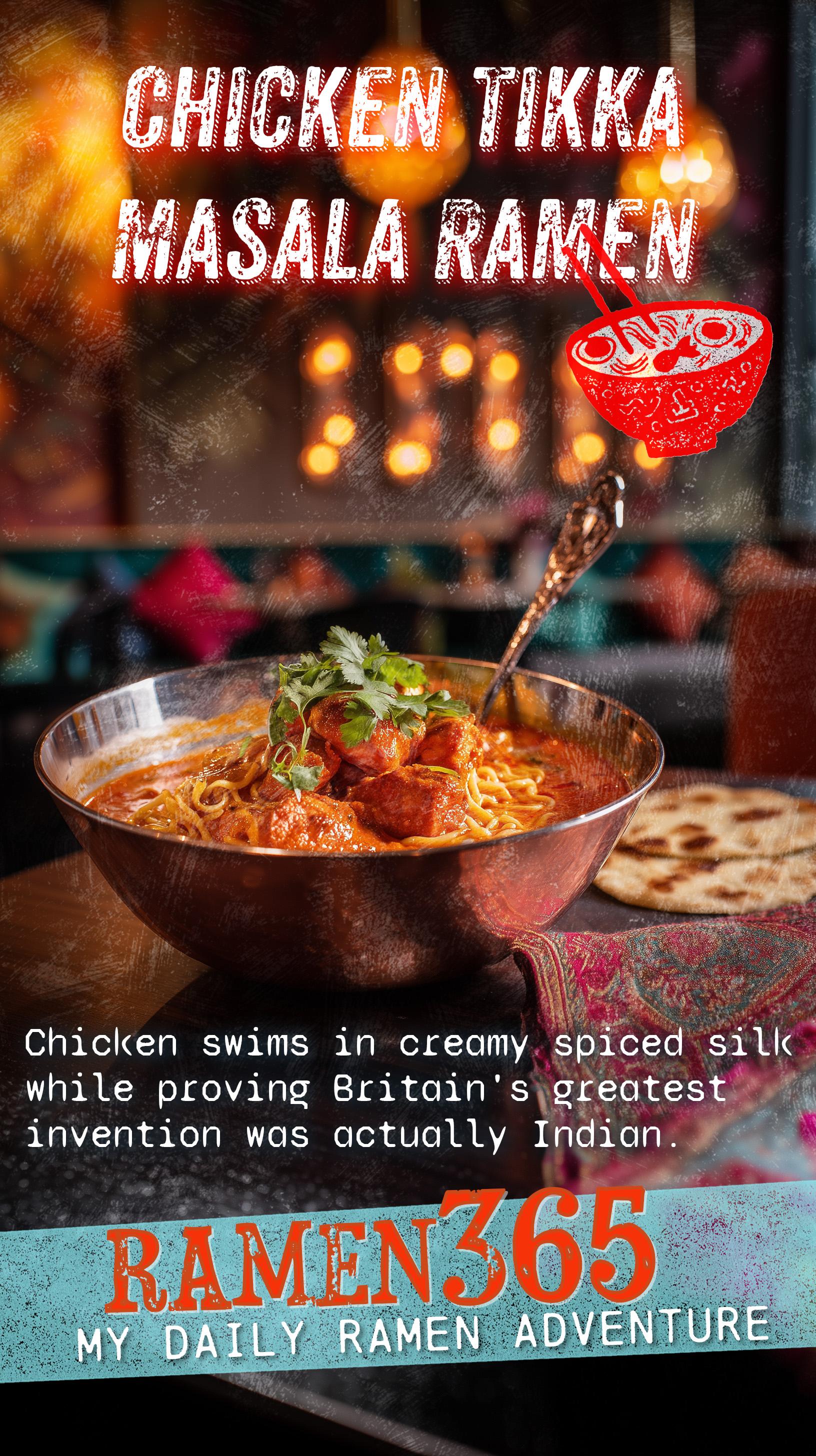
So this is Chicken Tikka Masala Ramen. Chicken that's been marinated in yogurt and spices until it's basically Indian instead of British anymore, swimming in a tomato-cream sauce so orange it looks like it's been enhanced by Photoshop, all coating noodles that somehow make perfect sense as the vehicle for what might be Britain's most successful cultural theft. You know how tikka masala is that gateway drug that gets Western people into Indian food because it's spiced but not scary? This keeps that approachable heat while adding the comfort of noodles, creating something that feels both familiar and exotic. The chicken gets that characteristic char from high heat, the sauce is rich enough to coat everything without being heavy, and the spice level can be adjusted based on whether you're a coward or someone who actually appreciates flavor. It's the kind of fusion that works because both Japanese and Indian cuisines understand that good broth requires layering flavors and not being afraid of fat and spice.
Spices bloom in cream—chicken wears its scarlet coat—curry meets the bowl
Let Me Tell You...
I first had real chicken tikka masala at an Indian restaurant in London where the waiter laughed at me for asking if it was authentic.
He explained that tikka masala was invented in Britain, probably Glasgow, when someone complained that their chicken tikka was too dry and the chef threw together a creamy tomato sauce to shut them up.
Authenticity aside, the dish was incredible—smoky charred chicken in a sauce that was simultaneously rich, tangy, slightly sweet, and properly spiced without burning your face off.
The marinade is where tikka gets its character.
Yogurt for tenderizing and tang, garam masala for that warm spice blend, kashmiri chili powder for color without excessive heat, ginger and garlic because Indian food without those is basically unseasoned.
The chicken needs at least a few hours to marinate, preferably overnight, soaking up all those flavors until it's completely transformed.
When it hits high heat—either a grill, broiler, or screaming-hot skillet—the yogurt marinade creates this charred crust while keeping the inside juicy.
The masala sauce required multiple attempts to get right because balancing cream, tomatoes, and spices without it becoming either too rich or too acidic is tricky.
I start with a proper tadka, blooming whole spices in oil until they're fragrant, then building the sauce with tomato puree, cream, and enough garam masala to make it taste like it means business.
Fenugreek leaves add that characteristic slightly bitter note that restaurant tikka masala always has, and a touch of honey balances the acidity.
The sauce simmers until it's thick enough to coat the noodles without being gloppy.
Now this has become my comfort food staple, the thing I make when I want something rich and satisfying without defaulting to pasta or ordering takeout.
The tikka masala provides that addictive creamy-spicy combination, the noodles make it substantial and slurpable, and the whole bowl tastes like the best parts of British Indian restaurants without the questionable meat quality.
Every bite reminds me that fusion works when you respect what makes each cuisine special.
Ingredients
- 8 ounces dried ramen noodles (2 bricks, seasoning packets discarded)
- 1.5 pounds boneless chicken thighs, cut into 2-inch pieces
- 1 cup plain yogurt
- 2 tablespoons garam masala, divided
- 1 tablespoon Kashmiri chili powder (or paprika for less heat)
- 2 tablespoons fresh ginger, minced
- 4 cloves garlic, minced
- Kosher salt, to taste
- 3 tablespoons ghee or vegetable oil
- 1 large onion, finely diced
- 1 can (28 oz) tomato puree
- 1 cup heavy cream
- 2 tablespoons tomato paste
- 1 tablespoon honey
- 1 tablespoon dried fenugreek leaves (kasuri methi)
- 1 teaspoon ground cumin
- 1/2 teaspoon ground coriander
- 1/4 teaspoon cayenne pepper
- 2 cups chicken stock
- 1/2 cup fresh cilantro, chopped
- Naan bread, for serving
Preparation
- In a bowl, combine yogurt, 1 tablespoon garam masala, Kashmiri chili powder, half the ginger, half the garlic, and salt. Add chicken pieces and toss to coat completely. Cover and marinate for at least 3 hours, preferably overnight.
- Preheat broiler to high. Remove chicken from marinade (discard marinade) and thread onto skewers if using. Broil for 12-15 minutes, turning occasionally, until charred in spots and cooked through. Set aside.
- Heat ghee in a large pot over medium heat. Add diced onion and cook for 6-7 minutes until golden and softened. Add remaining ginger and garlic; cook for 1 minute.
- Add remaining tablespoon garam masala, cumin, coriander, and cayenne. Cook for 1 minute until fragrant. Stir in tomato paste and cook for 2 minutes.
- Add tomato puree and bring to a simmer. Cook for 10-12 minutes, stirring occasionally, until sauce thickens slightly.
- Stir in heavy cream, honey, fenugreek leaves, and chicken stock. Simmer for 8-10 minutes to blend flavors. Taste and adjust salt.
- Add charred chicken pieces to the sauce and simmer for 5 minutes to heat through and absorb flavors.
- Bring a large pot of salted water to a boil. Cook ramen noodles for 2-3 minutes until just tender, then drain.
- Divide noodles among bowls. Ladle hot tikka masala sauce and chicken over noodles. Garnish with fresh cilantro. Serve with naan bread on the side.