
Cumin-Lamb Dan Dan Ramen
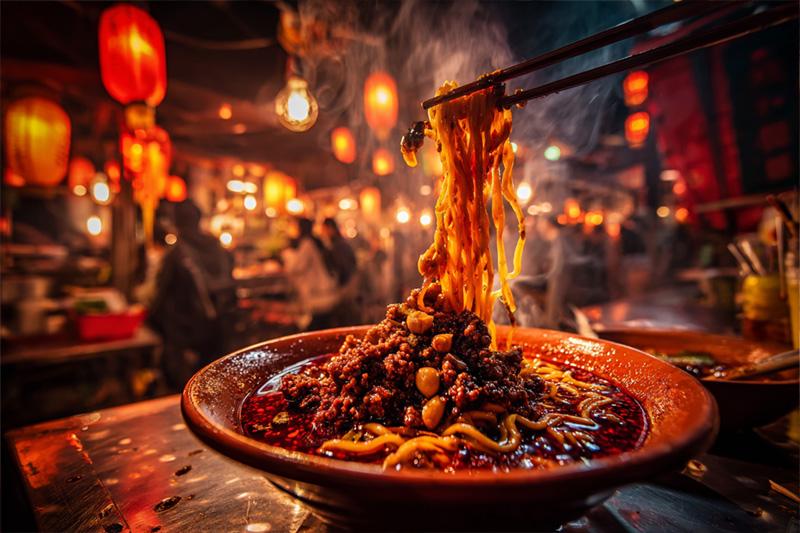
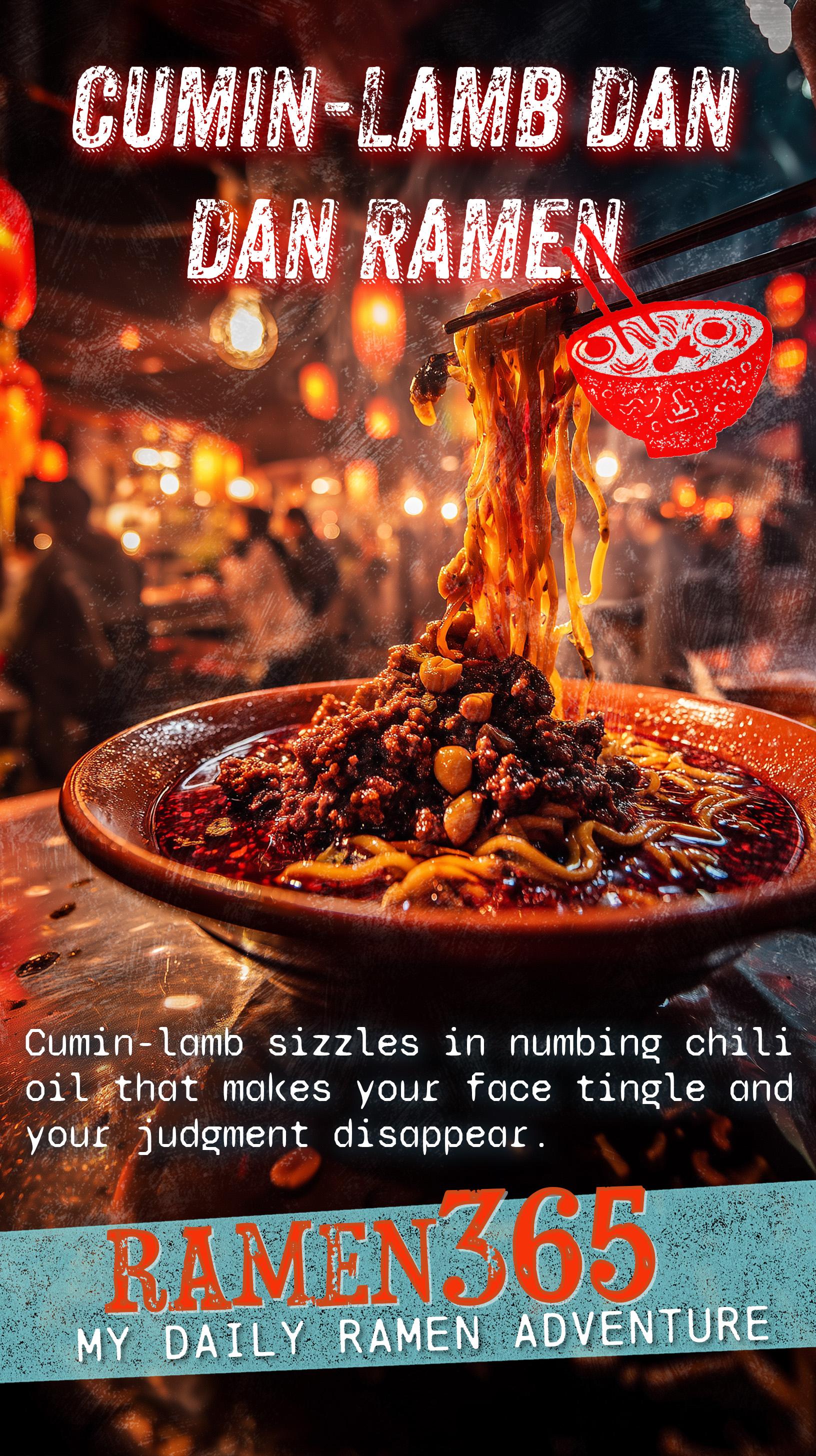
So this is Cumin-Lamb Dan Dan Ramen. Ground lamb that's been caramelized with enough cumin to make a Uyghur street vendor nod in approval, sitting in a pool of chili oil so red it looks like it's judging your life choices, all coated in a sauce that'll numb your face before you finish the bowl. You know how some spicy food just burns and that's it? This is different. The Sichuan peppercorns create this electric tingling sensation that makes your tongue feel like it's vibrating at a frequency only dogs can hear, while the cumin-lamb brings this smoky, almost gamey richness that tastes like it belongs in a tent on the Silk Road. The chili oil isn't just there for heat, it's the foundation of the whole dish, carrying flavor and numbing spices in every slick, dangerous spoonful. It's aggressive, unapologetic, and the kind of bowl that makes you sweat through your shirt while reaching for another bite because apparently pain and pleasure are the same thing when the food's this good.
Cumin smoke ascends—lamb darkens in chili heat—numbing conquers all
Let Me Tell You...
I first had real dan dan noodles in a Sichuan restaurant in Flushing where the menu was entirely in Chinese and the waiter looked genuinely surprised when I walked in.
The noodles came out swimming in this crimson oil that looked lethal, topped with pork that had been cooked down until it was almost black.
One bite and my entire mouth went numb, not from heat but from those Sichuan peppercorns doing their weird electrical thing to my nerve endings.
I sat there sweating and grinning like an idiot, thinking about how I could recreate this at home without accidentally hospitalize myself.
The lamb substitution came from a Xi'an restaurant a few weeks later, where I had cumin lamb skewers that changed my understanding of what lamb could taste like.
Not that grassy, weird flavor that makes people hate lamb, but this deeply savory, almost smoky taste that came from cumin being applied with the kind of aggressive confidence usually reserved for people who know exactly what they're doing.
I bought a pound of ground lamb and a truly irresponsible amount of cumin, figuring if I combined the dan dan concept with Xi'an lamb technique, either I'd create something brilliant or I'd waste fifteen bucks worth of meat.
Turns out it was the former.
The chili oil is where most people mess up dan dan noodles.
You can't just dump some store-bought chili crisp on top and call it a day, though honestly that's better than nothing.
Real dan dan sauce needs that oil to be infused with Sichuan peppercorns, garlic, ginger, and enough chili flakes to make the oil shimmer red.
I make mine in batches and keep it in a jar in the fridge like some kind of spicy savings account.
The sesame paste adds this nutty richness, the black vinegar cuts through all the oil with sharp tanginess, and the soy sauce ties everything together into something that shouldn't work but absolutely does.
When you toss the noodles in this sauce, they get coated in this slick, numbing, flavor-bomb coating that clings to every strand.
Now this is what I make when I want to feel something, when regular food seems boring and I need my taste buds to wake up and pay attention.
There's something primal about eating a bowl this aggressively spiced, about the way the numbing sensation builds with each bite until you're not quite sure where your mouth ends and the bowl begins.
The cumin-lamb adds this smoky, meaty foundation that makes the whole thing feel substantial and satisfying, while the chili oil and Sichuan peppercorns provide fireworks.
Every bowl is a reminder that sometimes the best food is the kind that challenges you, that makes you work for your pleasure.
Ingredients
- 8 ounces dried ramen noodles (2 bricks, seasoning packets discarded)
- 12 ounces ground lamb
- 3 tablespoons whole cumin seeds
- 2 teaspoons Sichuan peppercorns
- 1/2 cup chili oil (plus more for serving)
- 1/4 cup neutral oil
- 4 cloves garlic, minced
- 1 tablespoon fresh ginger, minced
- 3 tablespoons Chinese sesame paste (or tahini)
- 2 tablespoons Chinese black vinegar (or rice vinegar)
- 3 tablespoons soy sauce
- 1 tablespoon Shaoxing wine
- 2 teaspoons sugar
- 1/2 cup chicken stock
- 2 tablespoons doubanjiang (spicy fermented bean paste)
- 1/4 teaspoon ground white pepper
- Kosher salt, to taste
- 3 scallions, thinly sliced
- 1/4 cup roasted peanuts, crushed
- 2 tablespoons fresh cilantro, chopped
- 1 teaspoon toasted sesame seeds
Preparation
- Toast cumin seeds and Sichuan peppercorns in a dry skillet over medium heat for 2–3 minutes until fragrant. Let cool, then grind to a coarse powder using a spice grinder or mortar and pestle. Set aside.
- Bring a large pot of salted water to a boil. Cook ramen noodles for 2–3 minutes until just tender, then drain and set aside.
- Heat neutral oil in a large skillet or wok over high heat. Add ground lamb and spread it out in an even layer. Let it cook undisturbed for 3–4 minutes to develop a dark, caramelized crust. Break up the lamb and continue cooking for another 3–4 minutes until deeply browned.
- Add half of the ground cumin-peppercorn mixture (reserve the other half), garlic, and ginger to the lamb. Stir-fry for 1 minute until fragrant.
- Add doubanjiang and sugar to the pan. Cook for 1–2 minutes, stirring constantly, until the bean paste darkens and becomes fragrant.
- Add Shaoxing wine and let it sizzle for 30 seconds. Add soy sauce and chicken stock. Simmer for 3–4 minutes until the liquid reduces slightly. Season with white pepper and salt to taste. Remove from heat.
- In a large mixing bowl, combine sesame paste, black vinegar, chili oil, and the remaining ground cumin-peppercorn mixture. Whisk together until smooth (the mixture will be thick).
- Add the hot cooked noodles to the sesame-chili oil mixture and toss vigorously until the noodles are completely coated and glossy.
- Divide noodles among serving bowls. Top generously with the cumin-lamb mixture, sliced scallions, crushed peanuts, cilantro, and sesame seeds. Drizzle extra chili oil around the edges. Serve immediately.