
Gochujang Chicken Thigh Ramen
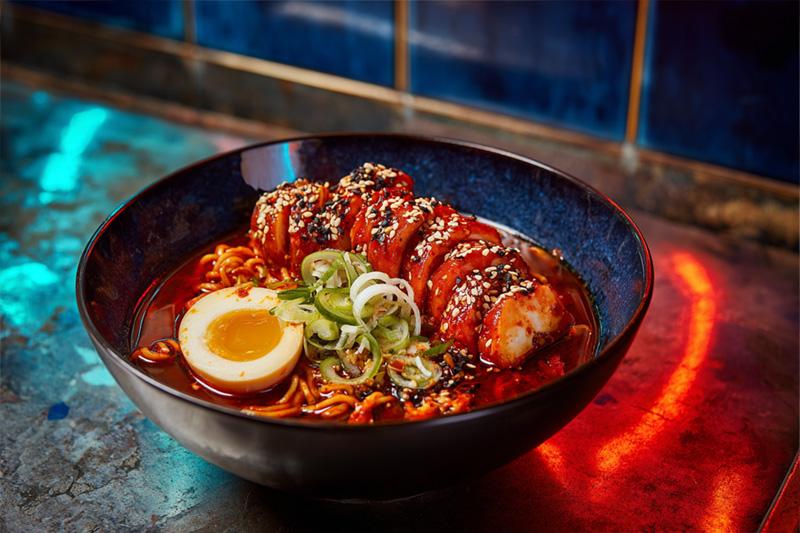

Gochujang and chicken thighs were basically made for each other. The fermented chili paste caramelizes into this sticky, lacquered glaze that goes from sweet to spicy to savory in a single bite, and chicken thighs have enough fat to stand up to all that intensity without drying out. This bowl drops those glazed thighs into a spicy broth that borrows from both Korean jjigae and Japanese ramen traditions, which sounds like a diplomatic incident but tastes like a peace treaty. The noodles soak up the red-tinted broth, the egg yolk runs into everything, and the sesame seeds add tiny pops of crunch. It's the kind of ramen that makes you sweat and smile at the same time. Best eaten with a cold drink nearby and no white shirts in sight.
Red paste clings to skin—chicken hisses, sweetly charred—heat you can't outrun
Let Me Tell You...
My Korean friend watched me make this and told me I was using too much gochujang, which I took as a compliment.
I had chicken thighs marinating in a slurry of the red paste, soy sauce, honey, and garlic, and the whole thing looked like a crime scene in a mixing bowl.
The plan was simple: sear the thighs until the glaze went sticky and dark, build a broth from the pan drippings, and dump everything over ramen noodles.
Plans rarely survive contact with a hot skillet, but this one mostly did.
The sugars caramelize faster than you think, so watch the heat.
The chicken hit the pan and immediately started hissing and popping, the gochujang turning from bright red to a deep mahogany as the sugars caught.
I flipped them too early the first time, lost some of the glaze to the pan, but honestly that worked out because those sticky bits became the base of the broth.
A splash of chicken stock, some more gochujang, a hit of rice vinegar, and suddenly I had this fiery, slightly sweet liquid that tasted like it had been simmering for hours.
The apartment smelled like a Korean barbecue place, which is never a bad thing.
Every caramelized bit stuck to the bottom is concentrated flavor waiting to dissolve into your broth.
I sliced the chicken on a bias, the way I've seen them do it at the good ramen shops, and laid the pieces across the noodles so you could see the glaze glistening under the kitchen light.
The egg went in halved, yolk still jammy and orange, and the scallions went on last because I read somewhere that raw scallions on hot broth release their flavor slowly.
Whether that's true or not, it looked professional, and looking professional is half the battle when you're cooking in gym shorts.
Cutting too soon lets all the juice run out onto the board. The first spoonful of broth hit like a slow burn, sweet up front from the honey, then the fermented chili kicked in and settled at the back of my throat.
The chicken was tender and sticky, the noodles were slick with red oil, and by the time I finished the bowl my lips were numb and I was already thinking about making it again tomorrow.
Korean and Japanese food have always been neighbors, and this bowl reminds you they've been borrowing cups of sugar from each other for centuries.
Ingredients
- 1.5 lbs bone-in, skin-on chicken thighs (about 4 thighs)
- 3 tablespoons gochujang (Korean red chili paste)
- 1 tablespoon soy sauce
- 1 tablespoon honey
- 1 teaspoon toasted sesame oil
- 3 cloves garlic, minced
- 1 teaspoon fresh ginger, grated
- 1 tablespoon neutral oil (such as canola)
- 4 cups low-sodium chicken broth
- 1 tablespoon rice vinegar
- 1 tablespoon gochugaru (Korean red pepper flakes)
- 8 ounces ramen noodles (2 bricks, seasoning packets discarded)
- 2 large eggs, soft-boiled to jammy (6.5 minutes)
- 3 green onions, thinly sliced (plus more for serving)
- Kosher salt, to taste
Preparation
- In a large bowl, whisk together gochujang, soy sauce, honey, sesame oil, minced garlic, and grated ginger. Add chicken thighs and toss to coat evenly. Let marinate at room temperature for 15 minutes (or refrigerate up to 4 hours).
- Heat neutral oil in a large heavy skillet over medium-high heat. Remove chicken from marinade, shaking off excess, and place skin-side down in the skillet. Sear for 5-6 minutes until the skin is deeply caramelized and crispy. Flip and cook an additional 4-5 minutes until cooked through (internal temperature 165°F). Transfer chicken to a cutting board and rest for 5 minutes.
- Reduce skillet heat to medium. Pour chicken broth into the same skillet, scraping up all the caramelized bits from the bottom with a wooden spoon. Stir in remaining marinade from the bowl, rice vinegar, and gochugaru. Bring to a simmer and cook for 10 minutes, letting the broth reduce slightly and flavors concentrate. Season with kosher salt to taste.
- While broth simmers, bring a large pot of salted water to a rolling boil. Cook ramen noodles according to package directions (typically 2-3 minutes) until just tender. Drain and divide among serving bowls.
- Slice rested chicken thighs on the bias into 1/2-inch strips. Ladle hot gochujang broth over the noodles. Arrange sliced chicken on top. Garnish each bowl with halved soft-boiled eggs, sliced green onions, and optional toppings. Serve immediately.