
Natto Scallion Ramen
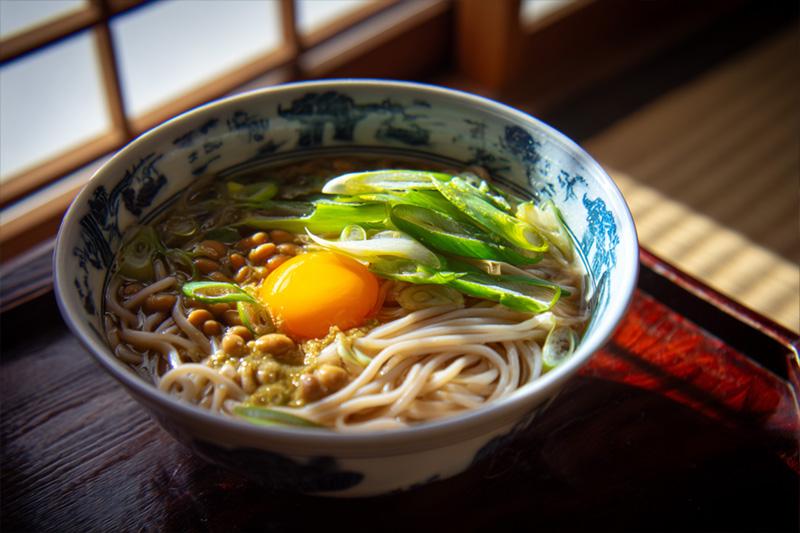
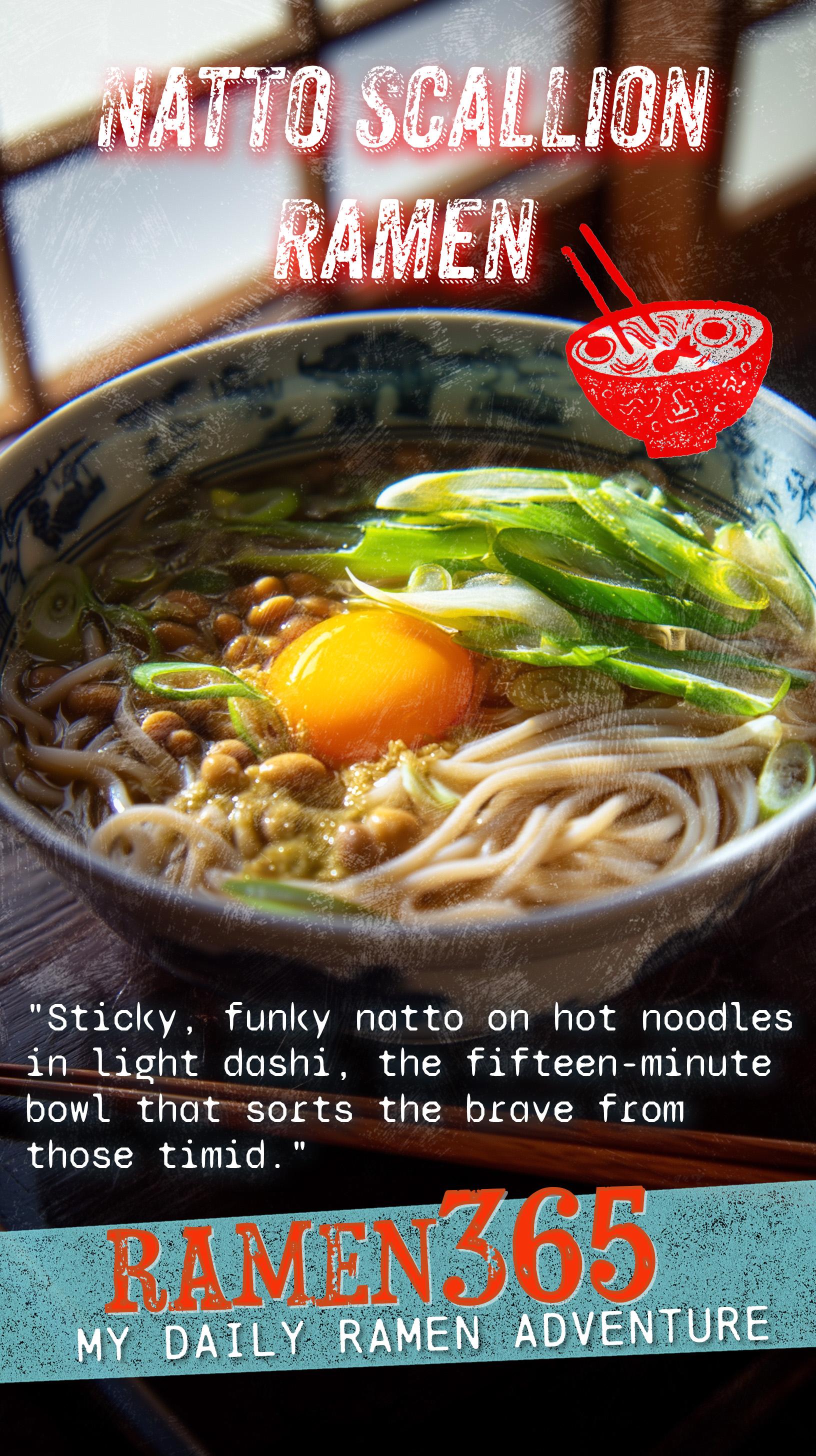
Natto is one of those foods that sorts people into two camps immediately: obsessed or horrified. There's no middle ground with fermented soybeans that stretch into sticky cobwebs between your chopsticks. This ramen leans all the way into that funky, savory chaos by piling natto onto hot noodles in a light dashi broth with a mountain of fresh scallions. The whole thing comes together in about fifteen minutes, which makes it perfect for mornings when you want something more substantial than toast but can't be bothered to actually cook. The raw egg yolk is optional but recommended if you want the broth to turn creamy and rich when you stir it in. Fair warning: your kitchen will smell like a Japanese breakfast spot, and your roommate might have opinions.
Sticky threads stretch long—scallions bright on golden broth—morning, unfiltered
Let Me Tell You...
The first time someone handed me a pack of natto I thought it was a prank.
Little styrofoam tray, slimy beans, a smell that split the difference between aged cheese and a gym locker.
I stirred it the way I was told, fifty times with chopsticks in a circular motion until the strings got thick and foamy, and took a bite.
Then another.
Then I finished the whole tray standing over the kitchen sink at seven in the morning wondering why nobody had told me about this sooner.
More stirring equals stickier strings and better texture.
Putting natto on ramen seemed almost too obvious once I started thinking about it.
The dashi broth was just kombu and bonito steeped for ten minutes, nothing fancy, the kind of thing that takes longer to describe than to make.
Noodles boiled while the broth steeped, scallions got sliced, and the natto got its fifty stirs with the little mustard packet mixed in.
Assembly took about ninety seconds.
Noodles in the bowl, broth poured over, natto plopped on top, scallions scattered everywhere, raw egg yolk dropped right in the center like a tiny golden sun.
It cuts through the funk and adds sharp heat.
The first bite was all texture: slippery noodles, sticky beans, the crunch of raw scallion, and then the egg yolk broke and everything got silky.
Dashi kept it all grounded, that clean umami backbone that Japanese cooking does better than anyone.
I ate the whole bowl in about four minutes, which is fast even for me, and spent the rest of the morning feeling smug about having eaten fermented soybeans for breakfast like some kind of health-conscious person.
The fact that it tasted incredible was almost beside the point.
It emulsifies into instant richness.
Natto ramen won't win any beauty contests.
It looks messy, it strings from the bowl to your face, and it smells like exactly what it is.
But it tastes like home if your home is a tiny apartment in Tokyo where breakfast is fast and savory and nobody cares what it looks like.
Fifteen minutes, one bowl, no apologies.
Ingredients
- 8 ounces ramen noodles (2 bricks, seasoning packets discarded)
- 2 packs small-bean natto (about 3 oz total, with included mustard and sauce packets)
- 4 cups dashi broth (made from 1 piece kombu and 1/2 cup bonito flakes steeped in water)
- 1 tablespoon soy sauce
- 1 teaspoon mirin
- 4 green onions, thinly sliced into rings (plus more for serving)
- 2 large egg yolks (pasteurized recommended if eating raw)
- 1 teaspoon toasted white sesame seeds
- Kosher salt, to taste
Preparation
- Make the dashi: Bring 4 cups of water to a gentle simmer in a medium saucepan. Add a 4-inch piece of kombu and let it steep for 5 minutes without boiling. Remove kombu, add 1/2 cup bonito flakes, let steep for 3 minutes, then strain through a fine-mesh sieve. Return dashi to the pan, stir in soy sauce and mirin, and keep warm over low heat. Season with salt to taste.
- While the dashi steeps, open natto packs and add the included mustard and sauce packets. Stir vigorously with chopsticks in a circular motion, at least 40-50 times, until the natto develops thick, foamy strings. Set aside.
- Bring a large pot of salted water to a rolling boil. Cook ramen noodles according to package directions (typically 2-3 minutes) until just tender. Drain well.
- Divide drained noodles among two serving bowls. Ladle hot dashi broth over the noodles, filling each bowl about three-quarters full.
- Spoon the stirred natto onto the center of each bowl. Scatter sliced green onions generously over the top. Nestle a raw egg yolk in the center of each natto mound. Sprinkle with toasted sesame seeds. Serve immediately, stirring the yolk into the broth at the table.