
Kabocha Miso Ramen
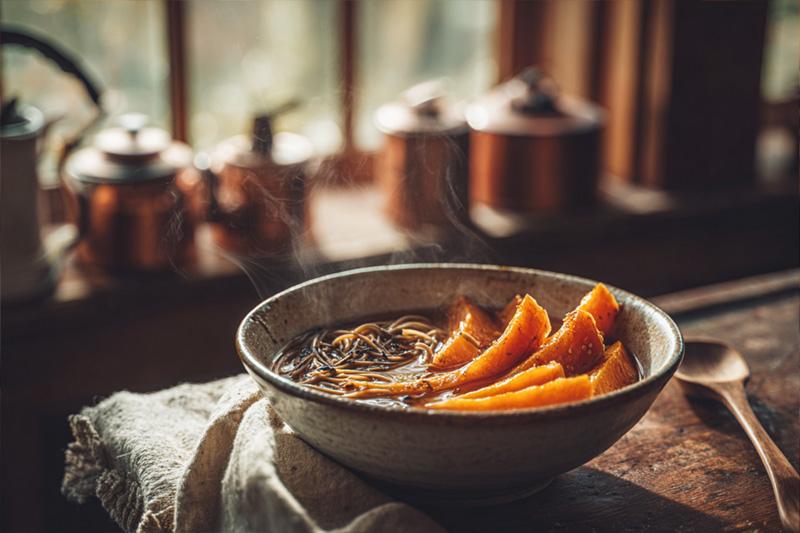
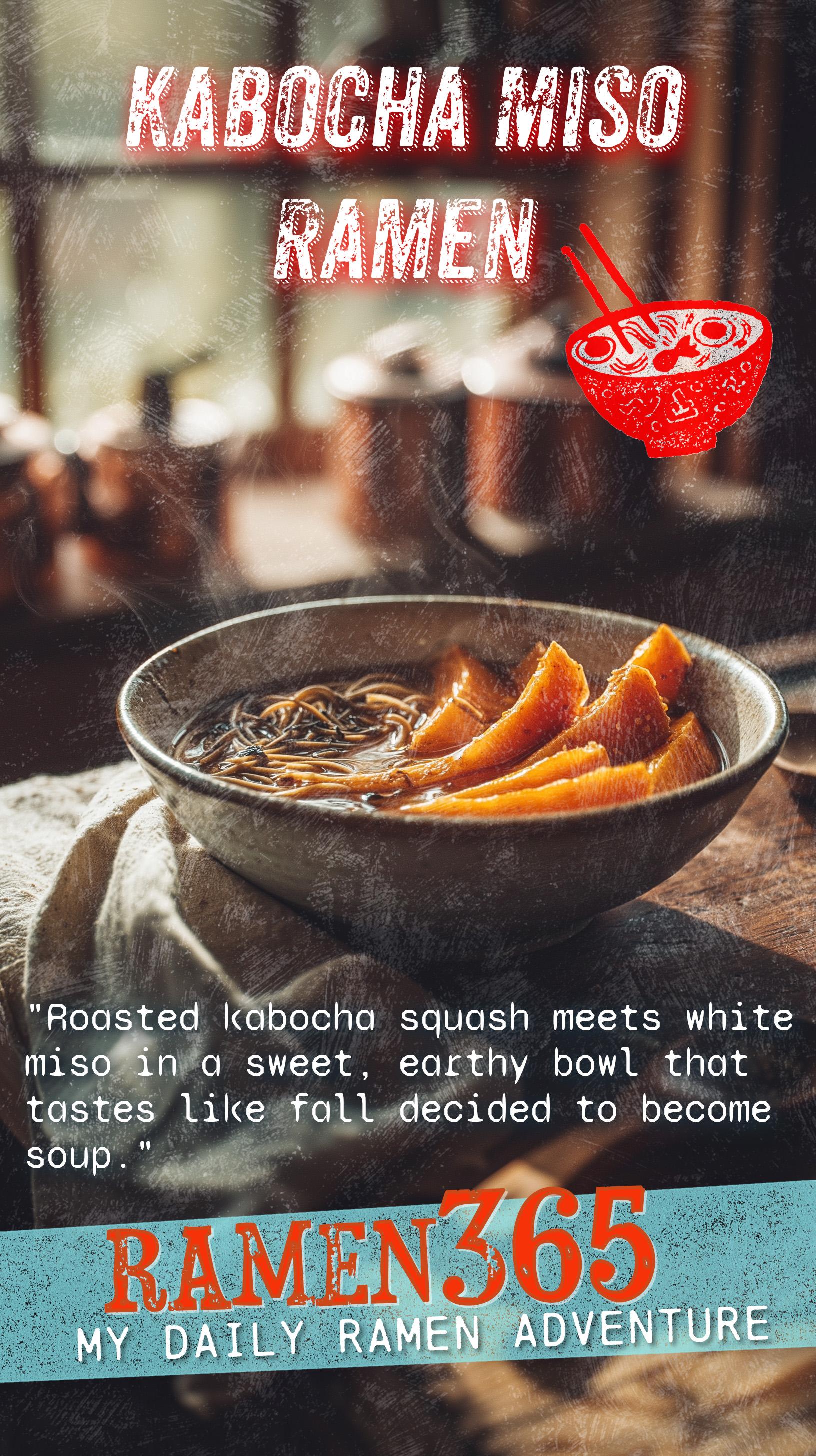
Kabocha squash is one of those vegetables that doesn't get enough attention outside of Japanese cooking, which is a shame because when you roast it properly, it becomes almost impossibly sweet and creamy, like a cross between a sweet potato and a chestnut. You can eat the skin and everything, which makes prep easier and adds this beautiful dark green edge to the orange flesh. Pairing it with white miso creates this sweet-on-sweet situation that somehow works, the miso adding fermented depth and salt to balance out the squash's natural sugars. The roasting is key here, caramelizing the edges of the squash until they're slightly charred while the inside turns soft and almost custardy. It's the kind of ramen you want when the weather turns cold and you're craving something that feels like a warm hug from someone who actually knows how to cook. The whole thing comes together faster than you'd think, and the result is this gorgeous bowl of orange and gold that tastes like fall condensed into soup form.
Orange crescents glow—miso whispers through the broth—autumn in a bowl.
Let Me Tell You...
I first tried kabocha at a tiny ramen shop in the East Village, one of those places with maybe eight seats and a chef who looked annoyed when you asked questions about the menu.
I ordered the seasonal special because I didn't know what else to do, and it came out with these bright orange wedges of squash that looked almost too pretty to eat, sitting in a pale miso broth that smelled sweet and nutty.
When I took the first bite, the squash practically dissolved on my tongue, sweet and dense and nothing like the watery butternut squash I'd grown up eating from cans.
The chef nodded at me like he knew I'd finally understood something important, and I ate the whole bowl in silence, trying to figure out how something so simple could taste so complex.
The skin is edible and adds color and texture when roasted.
When I started making kabocha ramen at home, I learned quickly that the roasting is everything, because undercooked kabocha tastes starchy and weird, but properly roasted kabocha turns into this silky, caramelized thing that melts into the broth.
I'd slice the squash into wedges, toss them with oil and a little salt, and roast them at high heat until the edges started to char and the flesh turned deep orange.
The smell that fills your kitchen when you roast kabocha is ridiculous, like someone made a candle out of autumn itself, all honey and nuttiness and warmth.
The first time I added white miso to the equation, I was nervous it would be too sweet, but the fermented funk of the miso grounded everything and made it taste less like dessert and more like actual food.
Red miso will overpower the squash's natural sweetness.
I make this ramen now whenever the weather drops and I need something that feels like comfort without being heavy, which is usually around October when the kabocha start appearing at farmers markets and I remember this recipe exists.
The key is building a broth that's light enough to let the squash shine, so I keep it simple with dashi, white miso, and a touch of mirin for balance.
The noodles should be soft but not mushy, giving you something to slurp between bites of that tender, sweet squash.
I like to add some sliced scallions and a drizzle of sesame oil at the end, just enough to add fragrance without overwhelming the miso.
Add it after removing the broth from heat to preserve its flavor and probiotics.
There's something about this bowl that makes me feel like I've actually got my life together, even when I've eaten cereal for the last three meals and haven't done laundry in two weeks.
The orange squash against the pale broth looks like something from a magazine, and the taste is sophisticated in that Japanese way where simple ingredients combine into something greater than their parts.
I sit there slurping noodles and picking up squash wedges with my chopsticks, and for a few minutes, everything feels right, like I've figured out what food is supposed to be.
Ingredients
- 2 packages ramen noodles (discard seasoning packets)
- 1 small kabocha squash (about 2 lbs), seeded and cut into 1-inch wedges
- 2 tablespoons vegetable oil, divided
- 4 cups dashi stock
- 3 tablespoons white miso paste
- 1 tablespoon mirin
- 1 teaspoon soy sauce
- 2 green onions, thinly sliced
- 1 tablespoon toasted sesame oil
- Salt, to taste
Preparation
- Preheat the oven to 425°F (220°C). Line a baking sheet with parchment paper.
- Cut the kabocha squash in half and scoop out the seeds. Slice into 1-inch wedges, leaving the skin on. Toss the wedges with 1 tablespoon vegetable oil and a pinch of salt.
- Arrange the squash wedges in a single layer on the prepared baking sheet. Roast for 30-35 minutes, flipping halfway through, until the edges are caramelized and the flesh is tender when pierced with a fork.
- While the squash roasts, prepare the broth. In a medium pot, bring the dashi stock to a gentle simmer over medium heat.
- Once the dashi is simmering, remove the pot from heat. Add the white miso paste and whisk until fully dissolved. Stir in the mirin and soy sauce. Taste and adjust seasoning with salt if needed. Keep warm over very low heat without boiling.
- Cook the ramen noodles according to package instructions until just tender. Drain and rinse briefly under warm water to remove excess starch.
- Divide the cooked noodles between two serving bowls. Ladle the warm miso broth over the noodles.
- Arrange the roasted kabocha wedges on top of each bowl, placing them attractively around the edge.
- Garnish with sliced green onions and drizzle with toasted sesame oil. Serve immediately while hot.