
Hatcho Miso Ramen
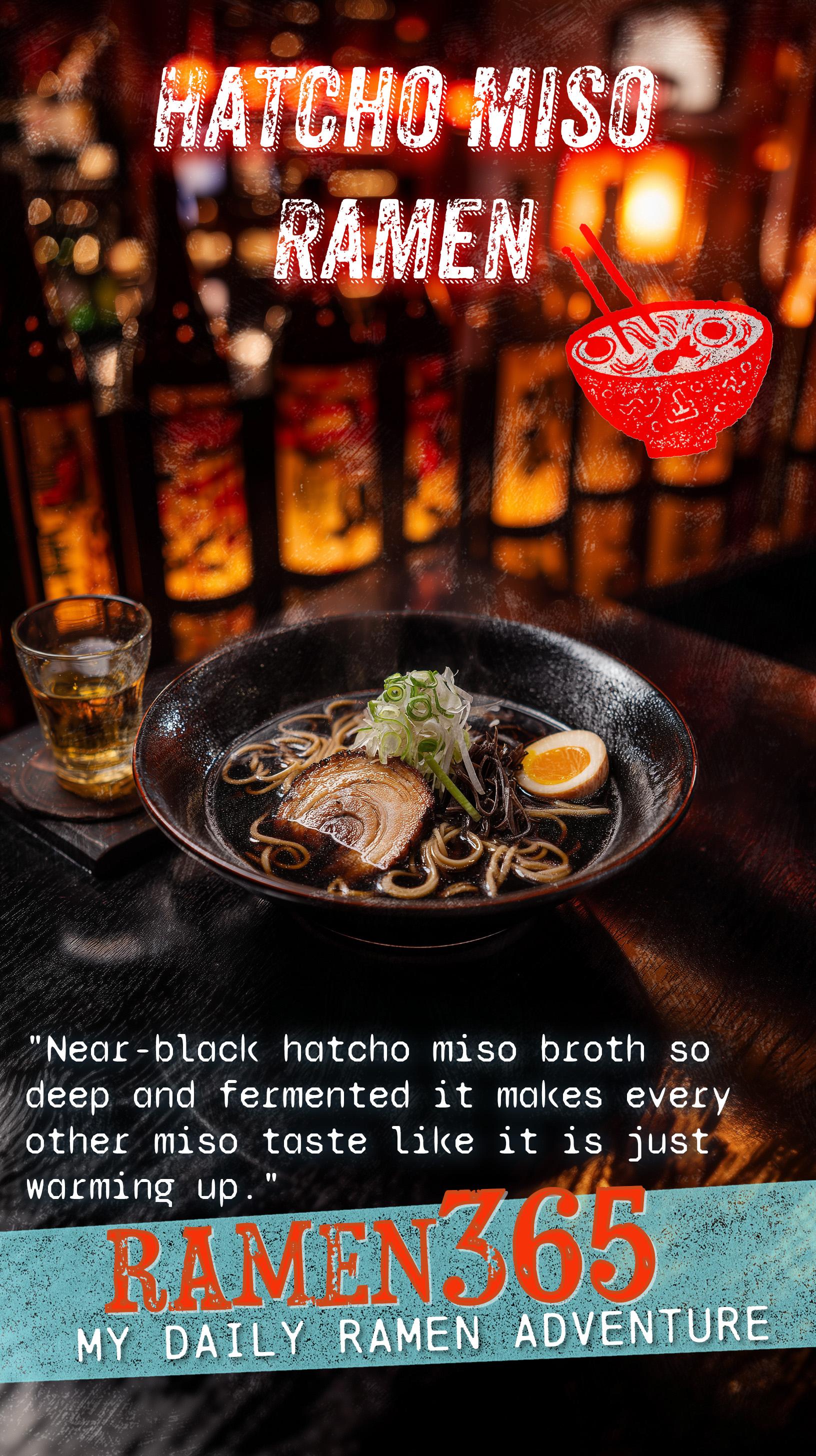
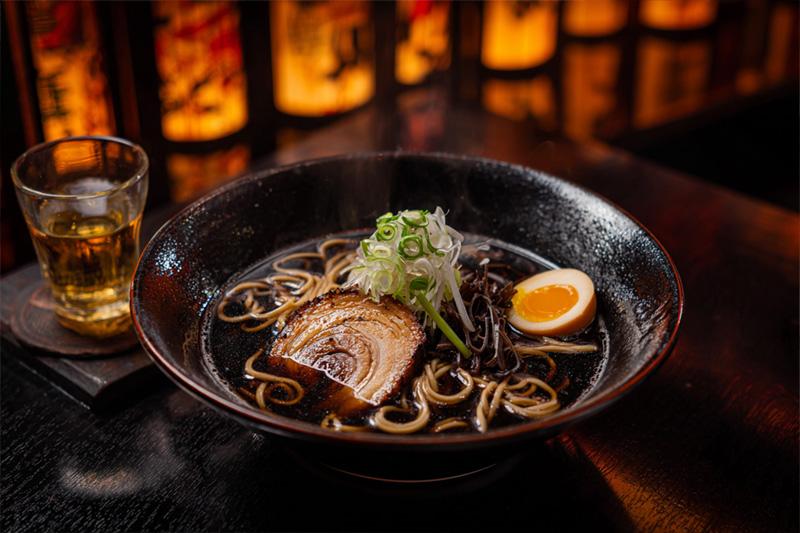
Hatcho miso is from a very specific place, a district in Okazaki called Hacho-machi, and it has been made there for about eight hundred years, which is a long time to be getting one thing right. It is aged for two to three years in giant cedar vats with a ton of river stones stacked on top, which is not an approach that lends itself to casual home recreation. What you get out of this process is a miso paste so dark it is nearly black, with a flavor that is simultaneously savory, slightly bitter, faintly sweet, and so deeply fermented that it makes other misos taste like a draft compared to a long-aged barrel whiskey. Nagoya ramen is built on this miso, and it is categorically different from Sapporo or Tokyo or Hakata styles in the way that a country with a distinct culture is different from its neighbors: recognizably related and fundamentally its own thing. This takes real time, mostly unattended. The chashu and the marinated egg need to be started in advance, which means planning, which is not something everyone is willing to do for dinner but is the correct thing to do here.
Three years in the cask—Hatcho dark as winter night—Nagoya holds still
Let Me Tell You...
Hatcho miso tastes like something that has been waiting for you specifically.
You open the container and the smell is immediate and dark and complex, like the inside of a wine cellar that also has a kitchen in it, and when you dissolve it into hot broth the color goes near-black in a way that is alarming if you are not expecting it.
This is correct and intentional and the bowl will not look like any other miso ramen you have made, which is the point.
The flavor is deeper and slightly more bitter than regular miso, with a salty-sweet back note that the fermentation process develops over years and that no amount of cooking can replicate from a simpler ingredient.
This softens the bitterness without losing the depth.
Pure hatcho can overwhelm the bowl.
Chashu pork belly is what this bowl needs as a protein, because the fat of pork belly holds up against the intensity of the broth in a way that chicken or tofu does not.
You braise it rolled and tied in soy, mirin, sake, and a little sugar until the fat is fully rendered and translucent and the meat is tender enough to slice cleanly cold.
The marinated egg, ajitsuke tamago, goes into the braising liquid after the pork comes out and soaks for at least four hours and ideally overnight.
Both can be made two or three days ahead, which makes the day of cooking just a matter of making broth and noodles.
A cold roll of braised pork belly slices cleanly into even rounds without compressing.
Warm pork belly falls apart.
The tare for Nagoya miso ramen is different from other regional styles.
You cook the hatcho miso directly in a small amount of fat, which toasts it slightly and changes the flavor before it ever hits the broth.
This extra step is not optional if you want the Nagoya character rather than just a dark miso soup.
Chicken or pork bone broth goes in separately and the tare is mixed in at serving, which is how ramen shops do it and allows you to control the intensity bowl by bowl.
The toasted miso has a different quality than untoasted and it is better.
The noodles for Nagoya-style ramen are thicker and curly rather than the straight thin noodles you would use for shoyu or shio styles.
Standard ramen bricks work but if you can find wavy or wavy-thick noodles the texture change is significant.
The bowl finishes with a slick of lard or chicken fat over the surface, a pinch of toasted sesame, and green onion, and it arrives at the table looking like something from another category entirely.
Ingredients
- 8 ounces thick wavy dried ramen noodles (2 bricks, seasoning packets discarded)
- 1 lb skin-on pork belly, rolled and tied
- 4 tablespoons hatcho miso paste
- 1 tablespoon white or barley miso paste
- 3 cups pork or chicken bone broth, divided
- 1/4 cup low-sodium soy sauce
- 1/4 cup mirin
- 2 tablespoons sake
- 1 tablespoon sugar
- 2 green onions, halved (for braising), plus 2 thinly sliced for serving
- 4 garlic cloves, smashed
- 1-inch knob fresh ginger, sliced
- 2 large eggs
- 1 tablespoon lard or chicken fat (for tare)
- 1 teaspoon toasted sesame seeds, for serving
Preparation
- Make chashu: Combine soy sauce, mirin, sake, sugar, halved green onions, garlic, and ginger in a small Dutch oven or saucepan. Add pork belly roll and broth to cover (about 1 cup broth). Bring to a gentle simmer, cover, and braise on low heat for 2 hours until the pork is very tender when pierced. Let cool in the liquid. Refrigerate in the braising liquid overnight or at least 4 hours.
- Make marinated eggs: Bring a small pot of water to a boil. Add eggs and cook 6.5 minutes. Transfer to ice water. Peel and place in the reserved braising liquid. Refrigerate for at least 4 hours.
- Make tare: Heat lard or chicken fat in a small saucepan over medium heat. Add hatcho miso and white miso and stir constantly for 60 seconds until the miso toasts slightly and becomes fragrant. Add remaining 2 cups broth gradually, whisking to dissolve. Simmer for 5 minutes over low heat. Do not boil.
- Remove chilled chashu from liquid and slice into 1/2-inch rounds. Heat a skillet over high heat and sear slices for 1 minute per side until the edges caramelize. Halve marinated eggs lengthwise.
- Bring a large pot of salted water to a boil. Cook noodles according to package instructions minus 30 seconds. Drain and divide between 2 bowls.
- Ladle hot hatcho miso tare broth over the noodles. Arrange chashu slices and egg halves on top. Scatter sliced green onions and sesame seeds. Add optional toppings and serve immediately.